

In the high-speed developing optical communication industry, optical modules serve as the core "transceivers" of optical fiber communication systems, carrying massive data transmission tasks in data centers, 5G base stations, and optical fiber access networks. Many engineers and procurement partners often ask a question: Is optical module aging test really necessary? As a practitioner who has been deeply engaged in the optical communication industry for more than ten years, I can tell you clearly with practical engineering experience: the optical module aging test is not only necessary, but also a key link that cannot be omitted in the production and quality control of optical modules.
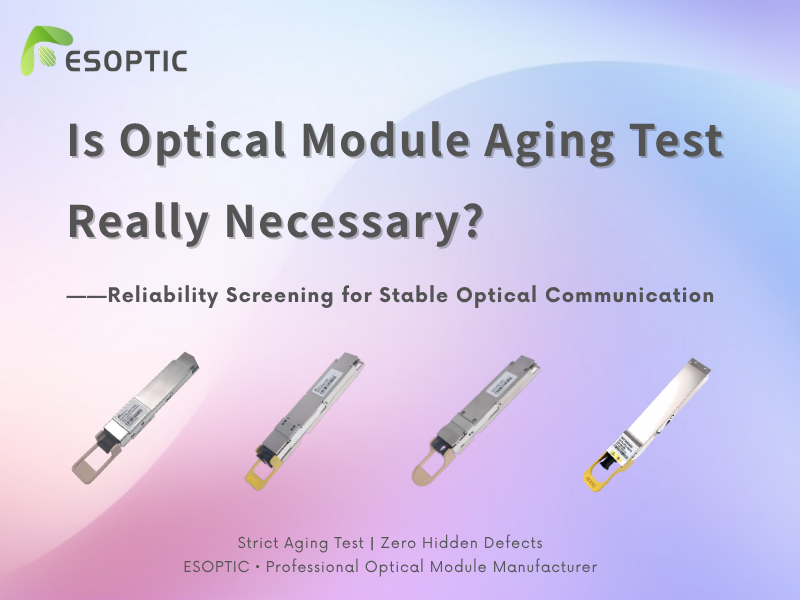
First of all, we need to clarify what optical module aging test is. It is a reliability screening test that places optical modules in a simulated harsh working environment (controlling temperature, humidity, working current, etc.) for continuous operation for a long time, so as to expose potential defects of components, welding points, and optical paths in advance. In the optical communication industry, the stability of optical modules directly determines the smooth operation of the entire communication network. A single faulty optical module may lead to network interruption, data loss, and huge operation and maintenance costs. The optical module aging test is the "physical examination" before the optical module leaves the factory, filtering out unqualified products with hidden dangers in advance.
In the actual production process, even high-quality optical components may have potential defects that cannot be detected by conventional tests. For example, the laser inside the optical module, the photodetector, and the welding quality of the circuit board may have hidden dangers that only appear after long-term operation. The optical module aging test can accelerate the occurrence of these hidden defects through high-temperature and low-temperature cycle aging, constant temperature aging and other methods, so that defective products are eliminated in the factory stage, rather than breaking down after being put into use in the network. This is the core value of the optical module aging test.
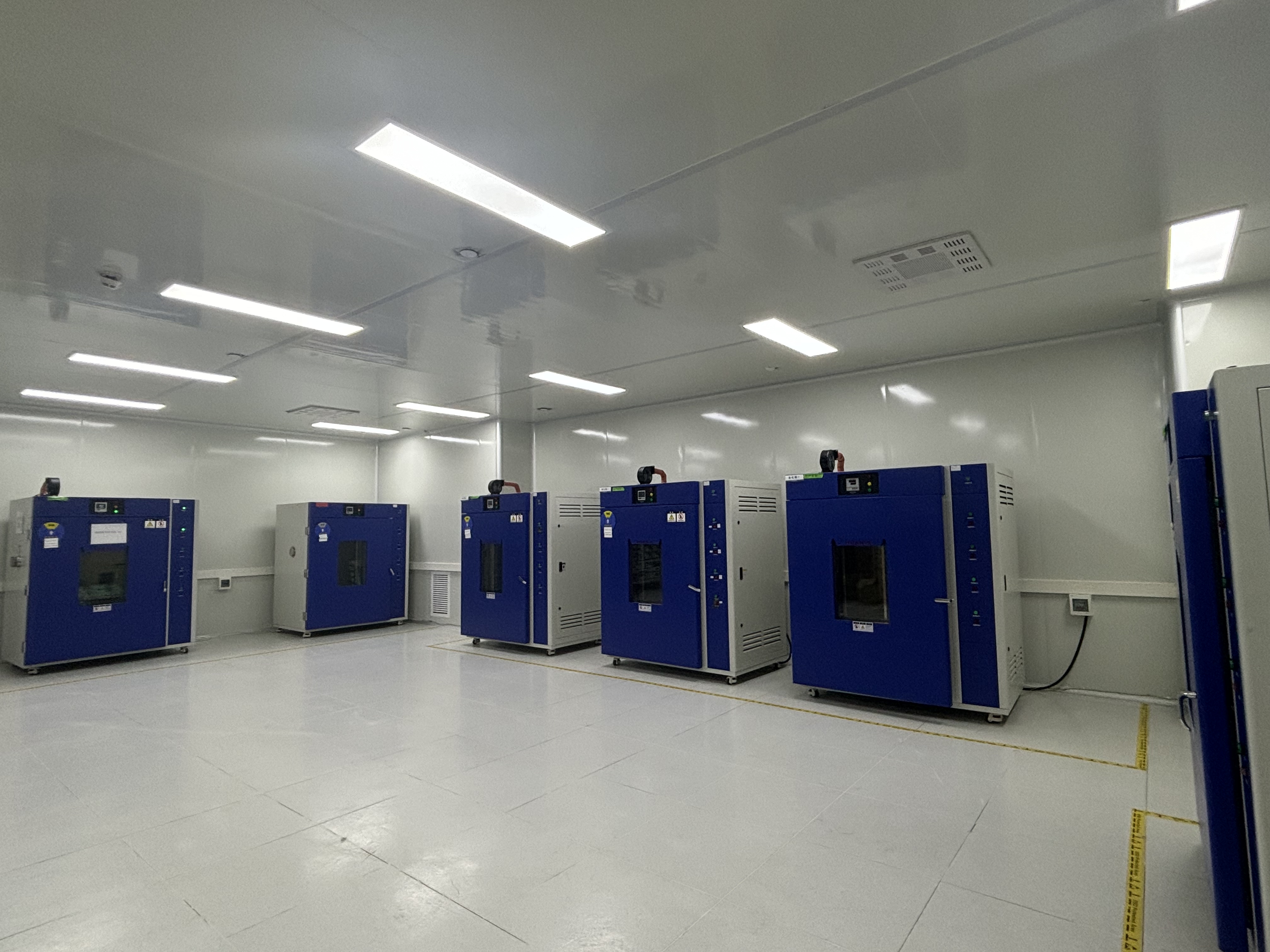
ESOPTIC, as a professional brand focusing on R&D and production of optical communication modules, has always regarded optical module aging test as the top priority of product quality control. All ESOPTIC optical modules must undergo strict 48-72 hours of high and low temperature cycle aging test and continuous power-on aging test before leaving the factory. We equip each production line with professional aging test equipment, and formulate a complete aging test standard in accordance with Telcordia GR-468-CORE industry specifications. Through full coverage of optical module aging test, ESOPTIC ensures that each optical module can maintain stable transmission performance in harsh working environments such as high temperature, low temperature and long-term full load, and greatly reduces the failure rate in the customer's use process.
Some people may think that the optical module aging test will increase the production cost and delivery cycle, so it can be simplified or even omitted. This view is extremely wrong in the optical communication industry. The cost of pre-aging test is far lower than the loss caused by after-sales maintenance, network replacement and business interruption caused by later failure. For data centers and communication operators, the stability of network equipment is the top priority. The optical module aging test is the most cost-effective investment to ensure long-term stable operation of the network. ESOPTIC has always adhered to the principle of "quality first", and will never reduce the requirements of optical module aging test for the sake of cost and time, which is also the reason why ESOPTIC optical modules are widely recognized in the industry.
From the perspective of product life cycle, the optical module aging test can also effectively evaluate the service life and reliability of optical modules. Through aging test data, we can analyze the attenuation trend of optical power, extinction ratio, receiving sensitivity and other key parameters of optical modules, optimize product design and component selection, and continuously improve product performance. It can be said that the optical module aging test is not only a quality screening link, but also an important basis for product iteration and upgrading.
In the increasingly competitive optical communication market, many small manufacturers cut corners on the optical module aging test to reduce costs, and deliver products without aging or short-term aging to the market. Such optical modules may work normally in the short term, but failures will occur frequently after long-term use, bringing endless troubles to customers. Choosing ESOPTIC optical modules means choosing reliable quality guaranteed by strict optical module aging test, so that you can avoid worries in network construction and operation.
To sum up, the optical module aging test is an indispensable key process in the production of optical modules. It is a solid line of defense to ensure the reliability, stability and service life of optical modules. Whether it is from the perspective of controlling after-sales cost, ensuring network stability, or improving product quality, the optical module aging test is a necessary investment. ESOPTIC will continue to adhere to strict optical module aging test standards, provide customers with high-quality and high-reliability optical communication products, and escort the stable operation of global optical communication networks.
FAQ
1.What is the main purpose of optical module aging test?
The main purpose is to expose potential defects of optical modules in advance through long-term simulated harsh environment operation, screen out unqualified products, and ensure the stability and reliability of optical modules in actual use.
2.How long does the general optical module aging test take?
Conventional optical module aging test is 48-72 hours, and high-reliability optical modules for special scenarios will extend the aging time appropriately. ESOPTIC strictly implements 48-72 hours of full-process aging test.
3.Will optical module aging test affect the service life of qualified products?
No, on the contrary, the optical module aging test can eliminate products with early failure risks, and the remaining qualified products have more stable performance and longer service life.
4.Why do some optical module manufacturers omit the aging test?
Individual manufacturers omit the optical module aging test to reduce production costs and shorten delivery cycles, but this will greatly reduce product reliability and bring greater hidden dangers to later use.
5.What are the differences of ESOPTIC in optical module aging test?
ESOPTIC adopts industrial-grade aging test equipment, follows international standard test specifications, carries out full coverage aging test on each optical module, and records complete test data to ensure that each product meets high reliability standards.
