

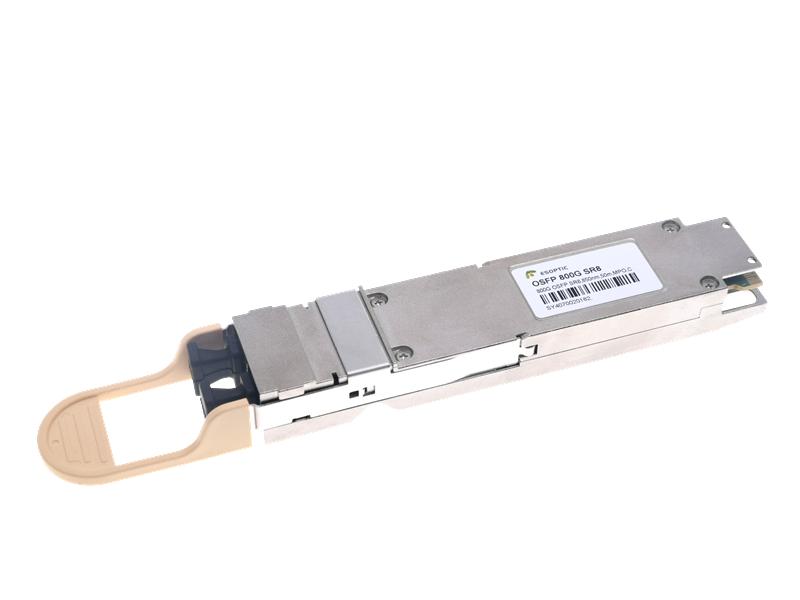
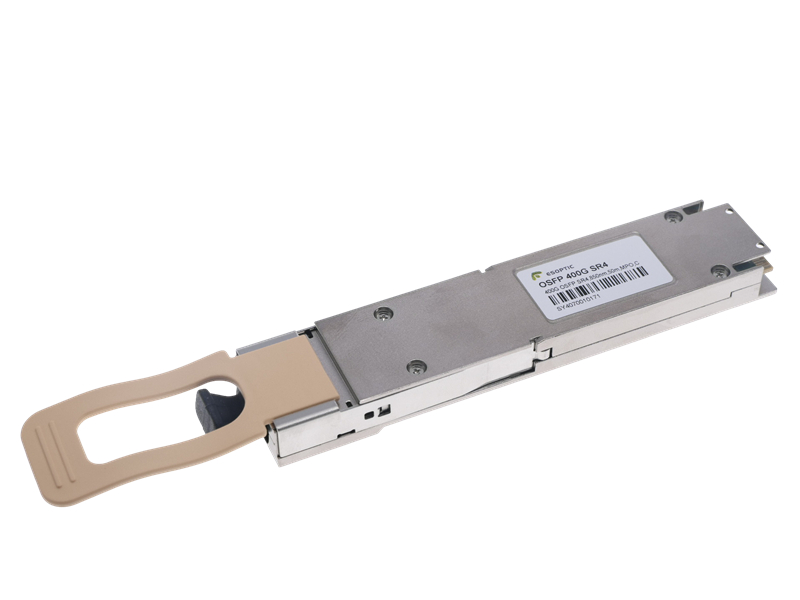
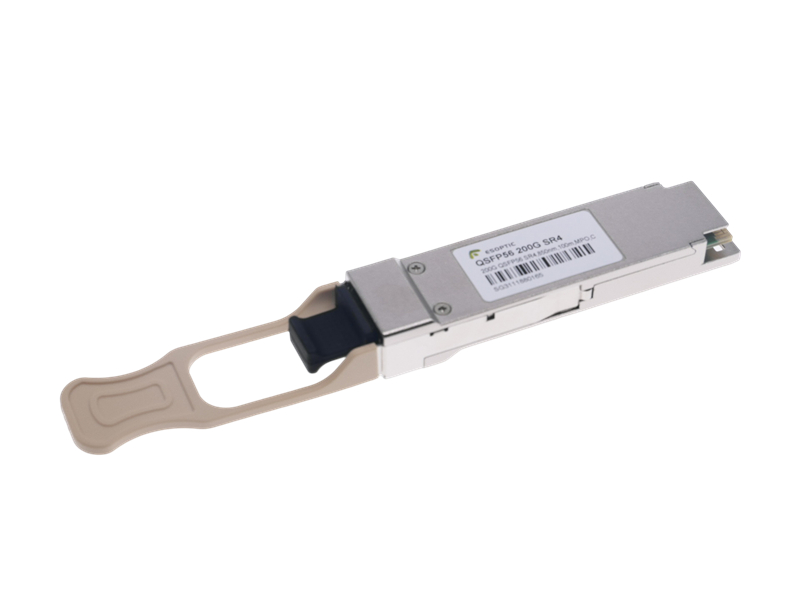
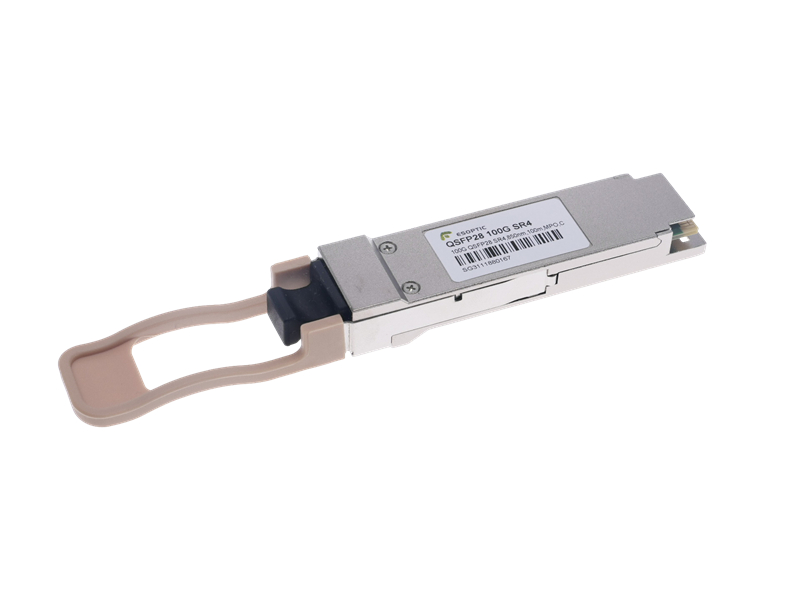
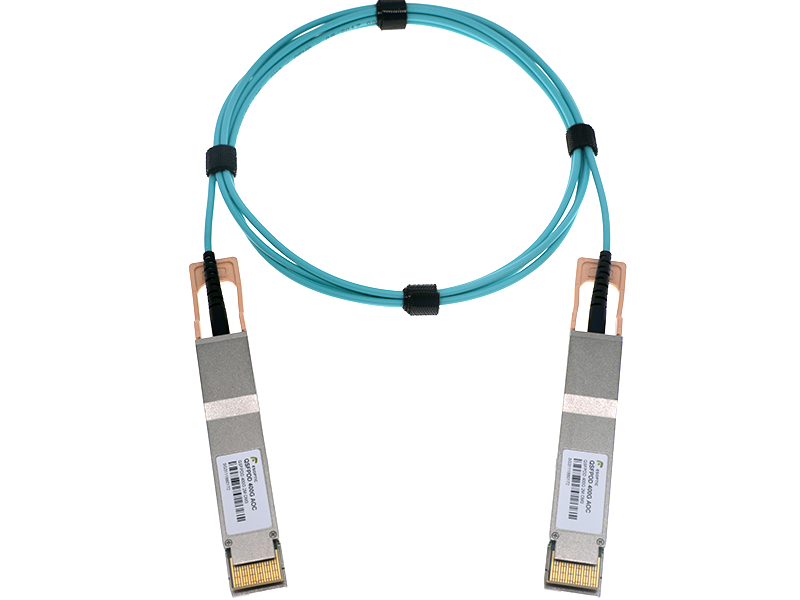
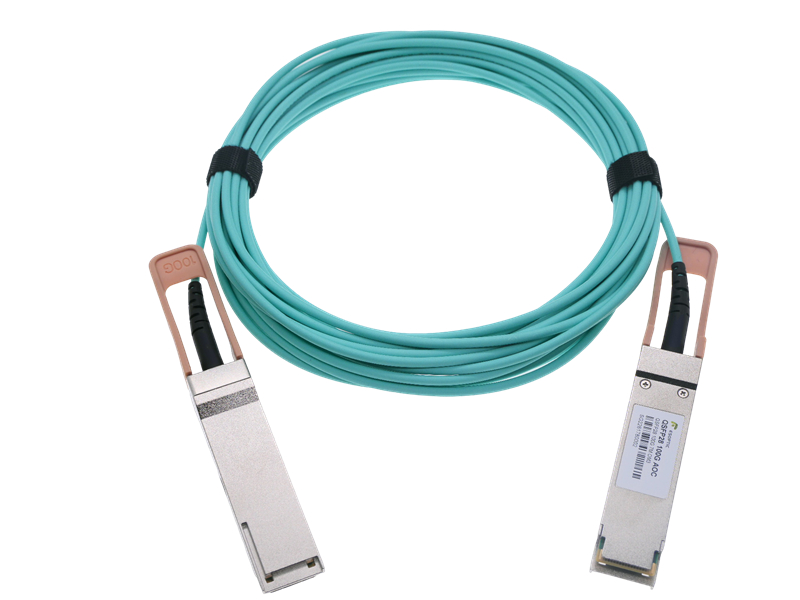
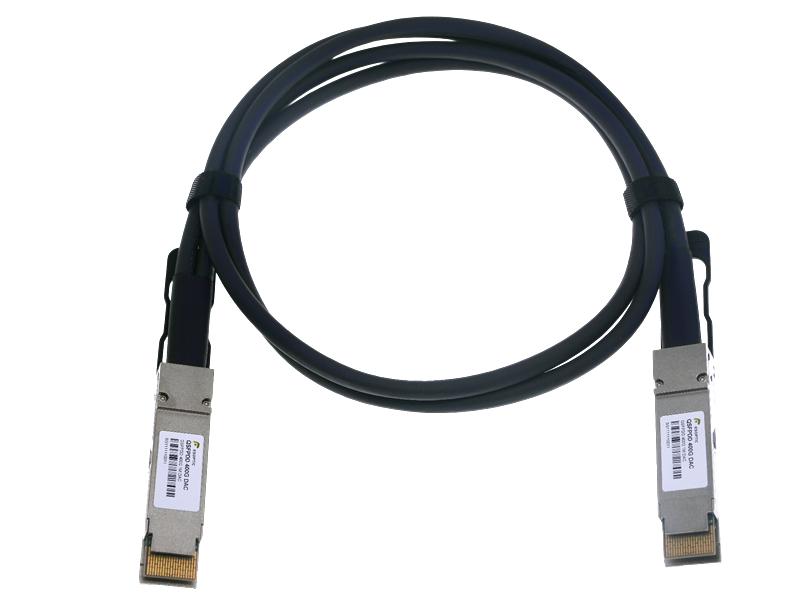
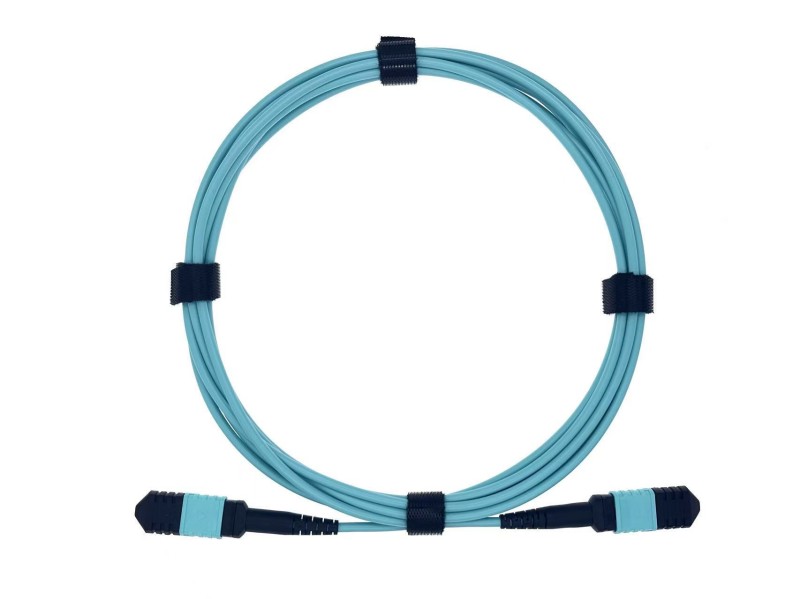
In the era of high-speed interconnects and data-driven networks, the transmission distance of optical modules has become one of the most critical performance parameters. Whether in data centers, telecom networks, or edge computing environments, engineers constantly ask: What determines how far an optical signal can travel? In this article, ESOPTIC explores the influencing factors that define and limit optical transmission distance, providing a clear technical breakdown.
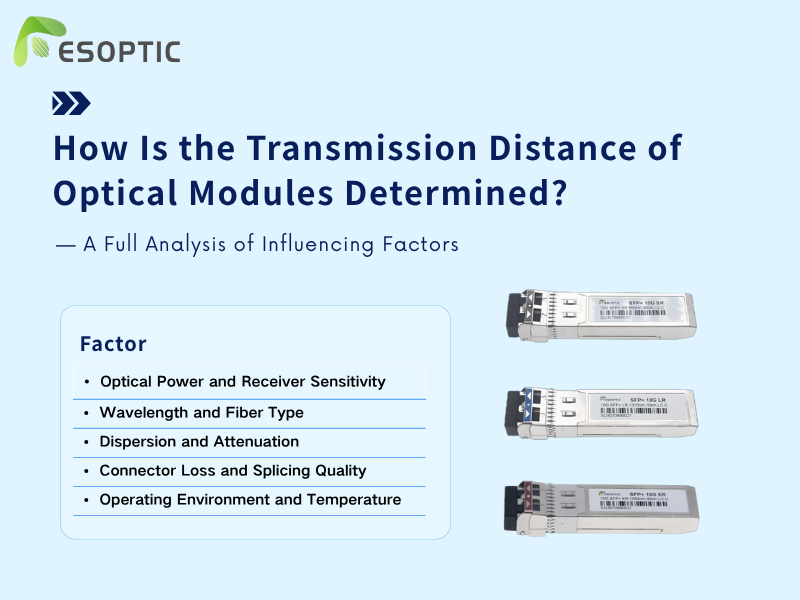
1. Optical Power and Receiver Sensitivity
The foundation of any optical link lies in the balance between transmitter optical power and receiver sensitivity. The stronger the launched power and the more sensitive the receiver, the longer the potential transmission distance. However, excessive optical power can cause nonlinear effects or damage the receiver, while low sensitivity can reduce the signal-to-noise ratio. ESOPTIC’s optical modules are designed with optimized power budgets to ensure stable performance across a range of transmission distances—from short-range DACs to long-haul DWDM solutions.
2. Wavelength and Fiber Type
The transmission distance of optical modules is also influenced by the wavelength of the laser source and the type of optical fiber used. For example, 850 nm VCSEL-based multimode modules are ideal for short distances (up to 300 m), while 1310 nm and 1550 nm DFB or EML lasers can reach tens or even hundreds of kilometers over single-mode fibers. ESOPTIC’s portfolio covers all major wavelength windows, offering flexible configurations for data centers, 5G front-haul, and backbone networks.
3. Dispersion and Attenuation
Signal degradation over distance is inevitable due to chromatic dispersion and fiber attenuation. Dispersion causes pulse broadening, while attenuation leads to power loss. In general, dispersion increases with wavelength and distance, especially beyond 10 km. ESOPTIC mitigates these effects using advanced CDR (Clock Data Recovery) chips and dispersion compensation technologies, ensuring clean signal transmission even at 100G, 400G, and 800G data rates.
4. Connector Loss and Splicing Quality
Beyond optical components themselves, connector insertion loss, splicing accuracy, and fiber cleanliness significantly affect the transmission distance of optical modules. Even a tiny dust particle on a connector can cause several dB of loss, shortening transmission range. That’s why ESOPTIC strictly controls connector polishing, cleanliness, and quality during production—each module undergoes automated testing before shipment.
5. Operating Environment and Temperature
The real-world environment can also alter performance. Temperature fluctuations can shift laser wavelength, affect the refractive index of the fiber, and impact the sensitivity of photodiodes. ESOPTIC modules are designed to operate stably across commercial (0–70°C), industrial (–40–85°C), and even extended temperature ranges, ensuring reliability in data centers, outdoor installations, and telecom environments alike.
Conclusion
The transmission distance of optical modules is not a single fixed parameter but the result of multiple influencing factors—optical power, dispersion, fiber type, wavelength, and environmental conditions. By understanding these factors, network engineers can design cost-effective, reliable links that meet performance goals. ESOPTIC continues to deliver high-quality optical transceivers and cables that strike the perfect balance between distance, speed, and stability.
FAQ
1. What is the typical transmission distance of optical modules?
It depends on the module type. For instance, 10G SR modules reach 300 m, LR up to 10 km, ER up to 40 km, and ZR up to 80 km or more.
2. Does using higher power always increase transmission distance?
Not necessarily. Excessive power can introduce nonlinear distortion or even damage receivers. A well-balanced power budget is essential.
3. Can multimode fiber achieve long-distance transmission?
No. Multimode fiber is ideal for short-range links (≤500 m). For long-distance transmission, single-mode fiber with 1310 nm or 1550 nm lasers is preferred.
4. How does ESOPTIC ensure stable long-distance transmission?
ESOPTIC integrates advanced optical design, low-jitter CDR chips, and strict quality control to maintain reliable transmission across extended distances.
5. What should I consider when selecting optical modules for different distances?
Consider your required data rate, fiber type, wavelength, and link budget. ESOPTIC’s team can provide customized recommendations for your application.
