

In high-performance computing, AI clusters, and modern data centers, InfiniBand and RoCE are often mentioned together. Many people know they are both “fast” and “low-latency,” but fewer truly understand what InfiniBand and RoCE actually are, and why their differences matter in real deployments.
This article takes a practical, engineering-focused look at InfiniBand and RoCE, starting from the basics and moving toward real-world design choices.
What Is InfiniBand?
InfiniBand is a purpose-built networking technology designed specifically for high-performance computing. Unlike Ethernet, InfiniBand is not an evolution of a general-purpose network—it was created from the ground up to move massive amounts of data with extremely low latency and near-zero packet loss.
At its core, InfiniBand uses a lossless transport mechanism with hardware-based flow control. This means congestion management happens directly at the network fabric level, not through software retries. As a result, latency remains stable even when traffic spikes.
Because of these characteristics, InfiniBand is widely used in:
AI training clusters
GPU-to-GPU communication
HPC supercomputing environments
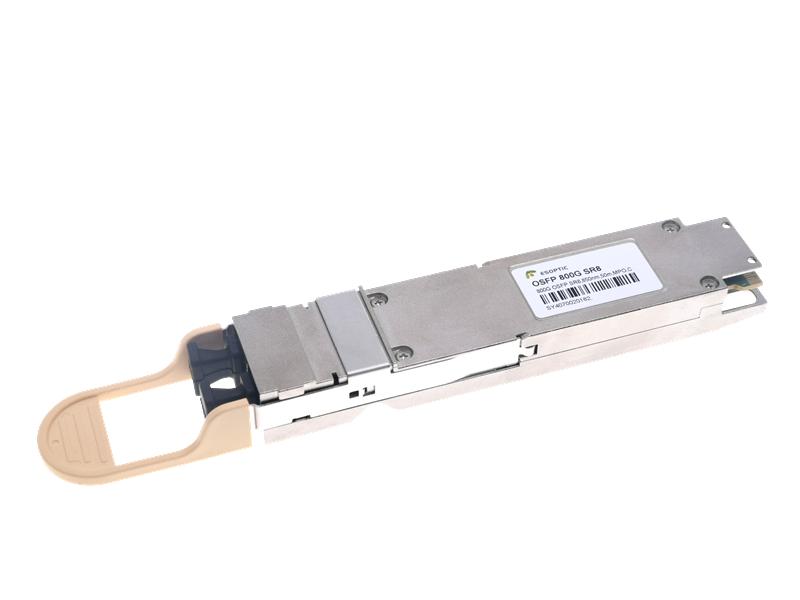
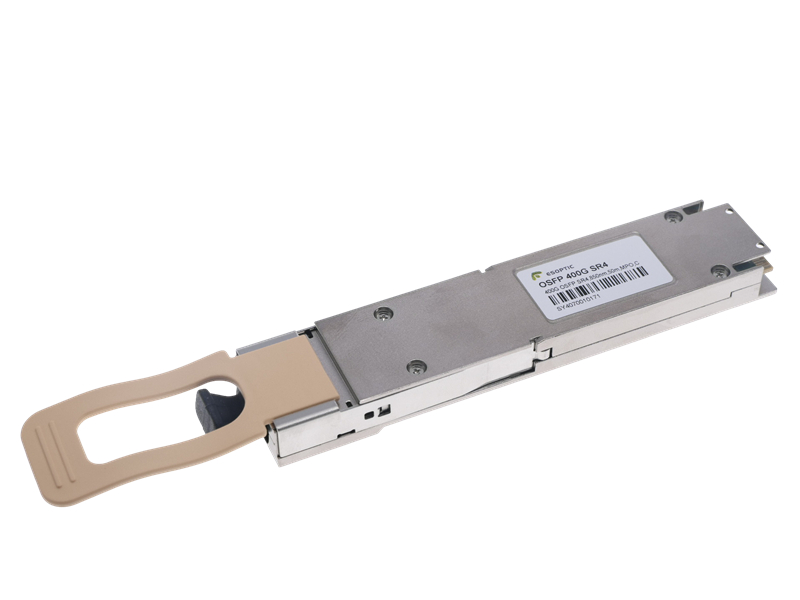
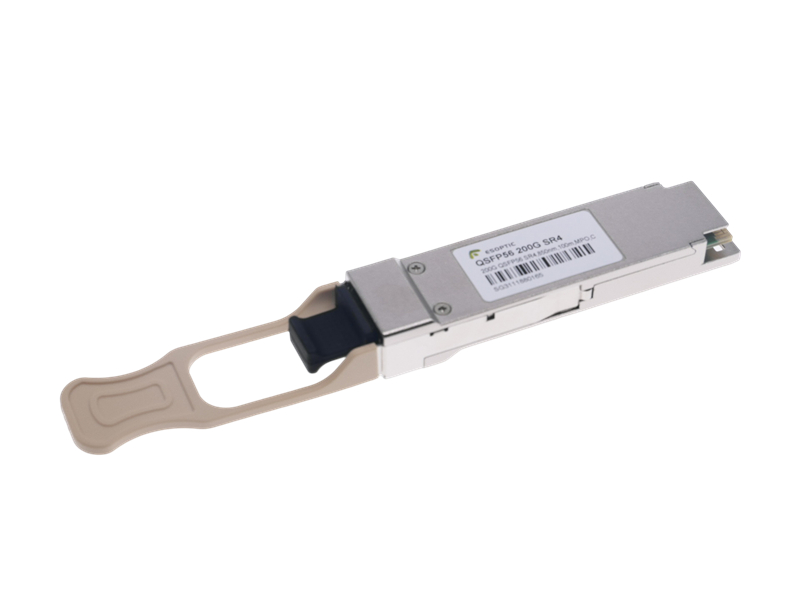
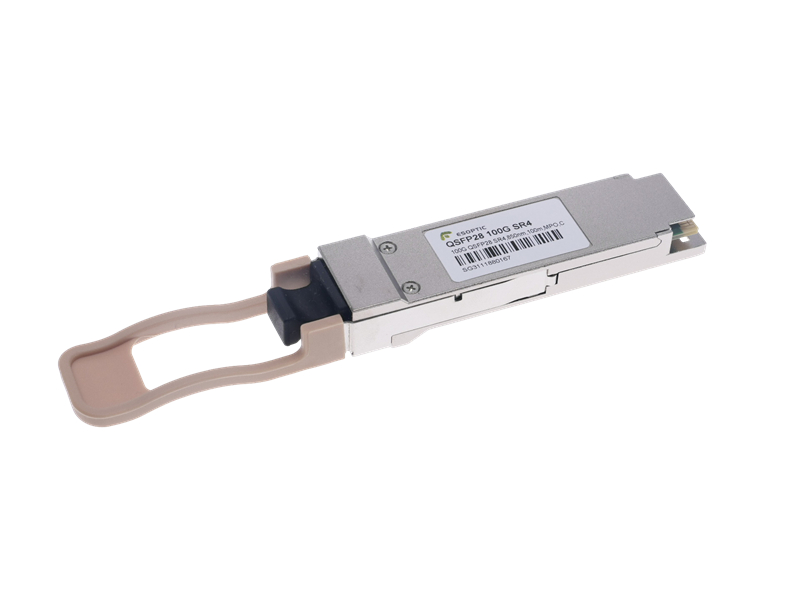
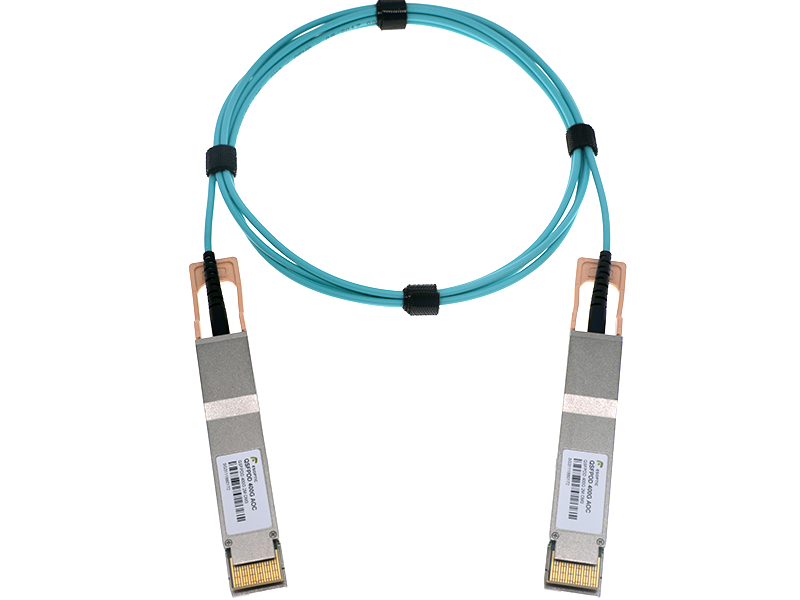
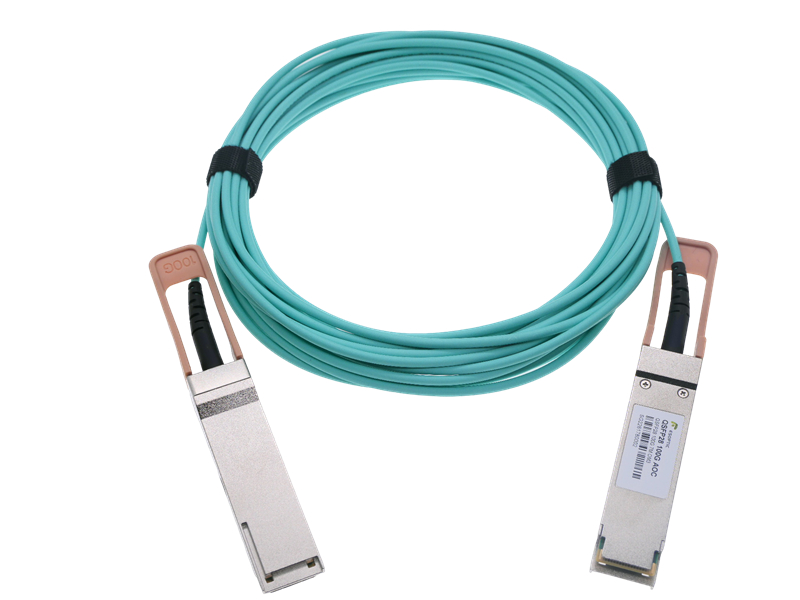
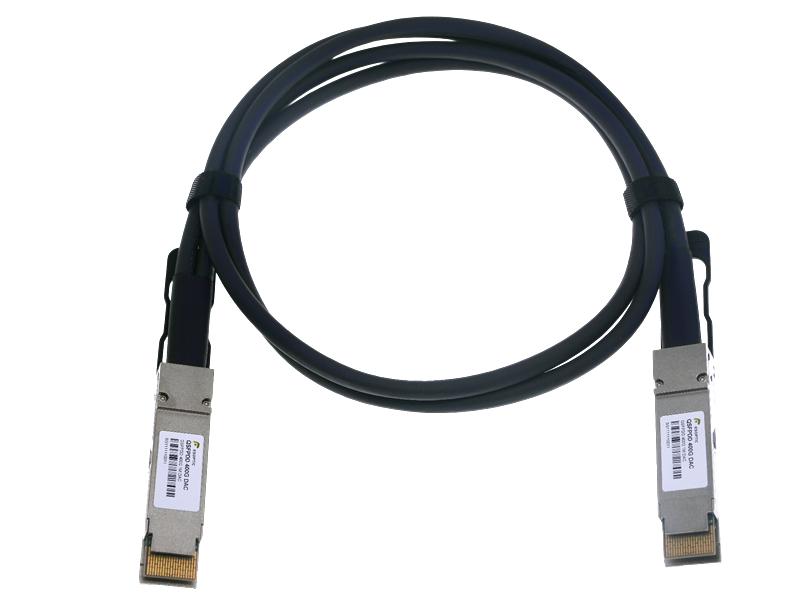
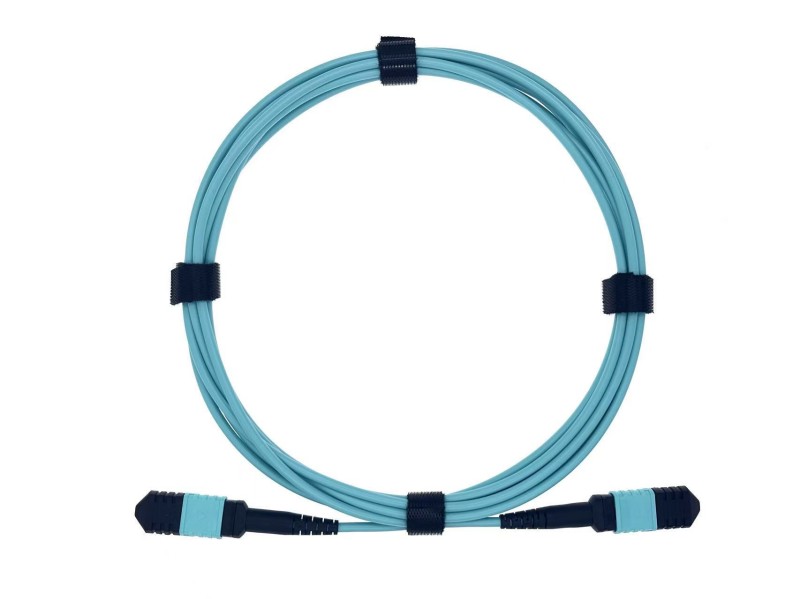
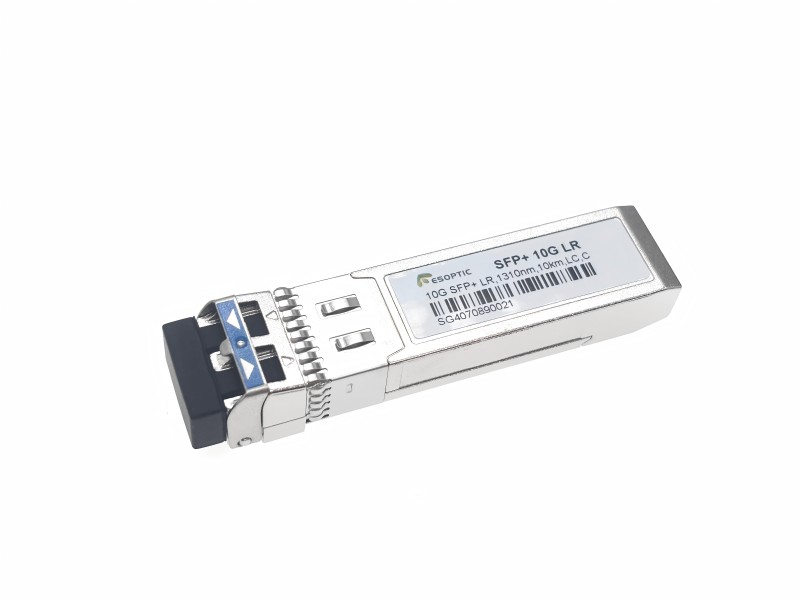
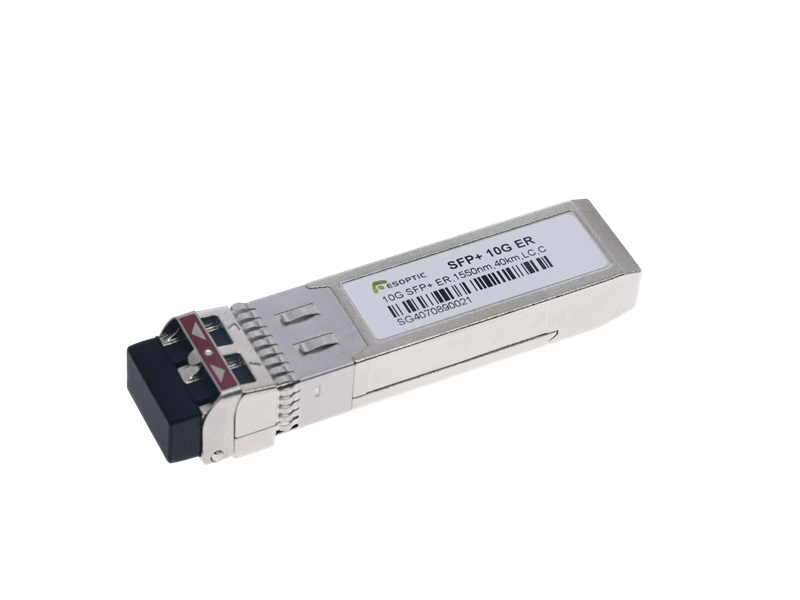
From a connectivity standpoint, InfiniBand places strict requirements on optical modules, DAC, and AOC solutions. Signal integrity and latency consistency are critical—areas where vendors like ESOPTIC focus their optical design and validation efforts.
What Is RoCE?
RoCE (RDMA over Converged Ethernet) takes a very different approach. Instead of building a new network fabric, RoCE enables RDMA technology to run over standard Ethernet.
In simple terms, RoCE allows Ethernet to behave more like InfiniBand—but only when the network is carefully configured.
To achieve low latency, RoCE relies on:
Priority Flow Control (PFC)
Explicit Congestion Notification (ECN)
High-quality switches and optical interconnects
The advantage of RoCE is flexibility. Data centers already built on Ethernet can introduce RDMA without replacing the entire infrastructure. This makes RoCE attractive for cloud environments and enterprise-scale deployments.
Key Differences Between InfiniBand and RoCE
Although InfiniBand and RoCE target similar performance goals, their differences are fundamental.
InfiniBand is deterministic by design. Performance is predictable because the entire ecosystem—NICs, switches, and transport protocols—is tightly integrated.
RoCE, on the other hand, depends heavily on configuration quality. When tuned correctly, RoCE can approach InfiniBand-level performance. When misconfigured, packet loss and latency spikes can quickly appear.
From a system perspective:
InfiniBand prioritizes performance consistency
RoCE prioritizes ecosystem compatibility and cost efficiency
This is why many AI superclusters still favor InfiniBand, while cloud data centers increasingly deploy RoCE at scale.
Why Optical Connectivity Matters for Both
Whether the network uses InfiniBand or RoCE, optical connectivity plays a decisive role. As speeds move from 200G to 400G and now 800G, the margin for signal instability becomes smaller.
InfiniBand and RoCE both demand:
Stable optical power
Low jitter and crosstalk
Reliable thermal performance
ESOPTIC develops optical modules, DAC, and AOC solutions optimized for InfiniBand and RoCE environments, ensuring interoperability, signal integrity, and long-term reliability in high-density deployments.
Conclusion
Understanding what InfiniBand and RoCE are, and how InfiniBand and RoCE differ, is essential when designing modern data center networks. One is not universally better than the other—they simply solve the same problem in different ways.
As network speeds continue to rise, choosing the right architecture—and the right optical partner such as ESOPTIC—becomes a key factor in long-term performance and scalability.
FAQ
1. What is the main purpose of InfiniBand?
InfiniBand is designed for ultra-low latency and lossless data transfer in HPC and AI environments.
2. Is RoCE just Ethernet?
RoCE runs on Ethernet but adds RDMA capabilities through advanced congestion control.
3. Which is easier to deploy, InfiniBand or RoCE?
RoCE is easier to integrate into existing Ethernet networks.
4. Do InfiniBand and RoCE require different optical modules?
Some modules overlap, but compatibility and firmware validation are critical.
5. Does ESOPTIC support both InfiniBand and RoCE networks?
Yes, ESOPTIC provides optical solutions optimized for InfiniBand and RoCE deployments.
