
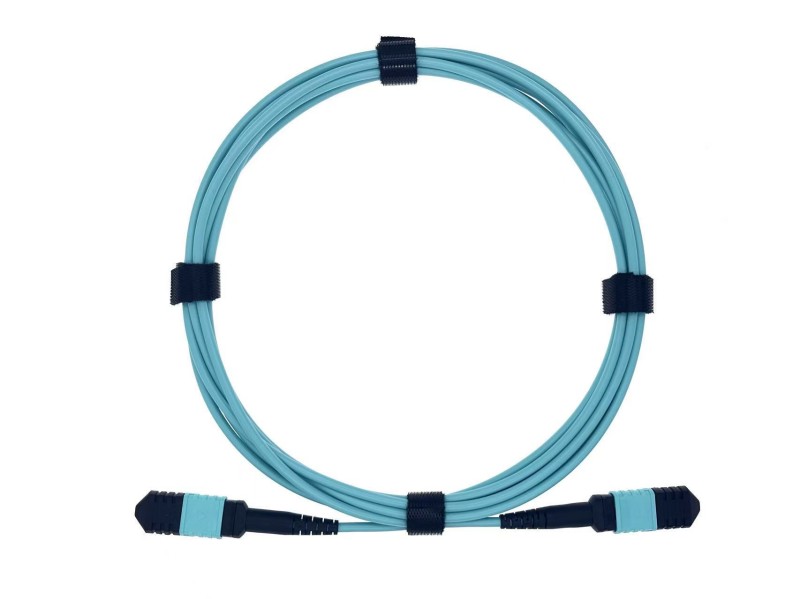
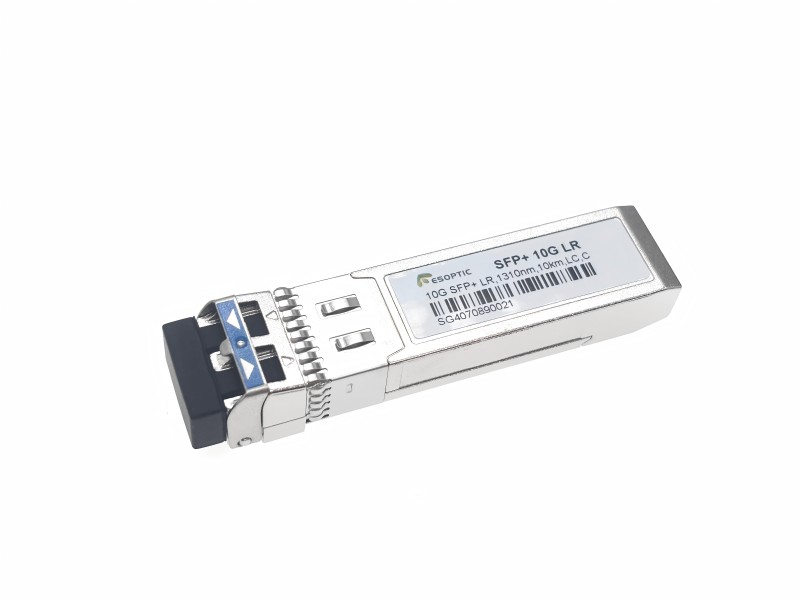
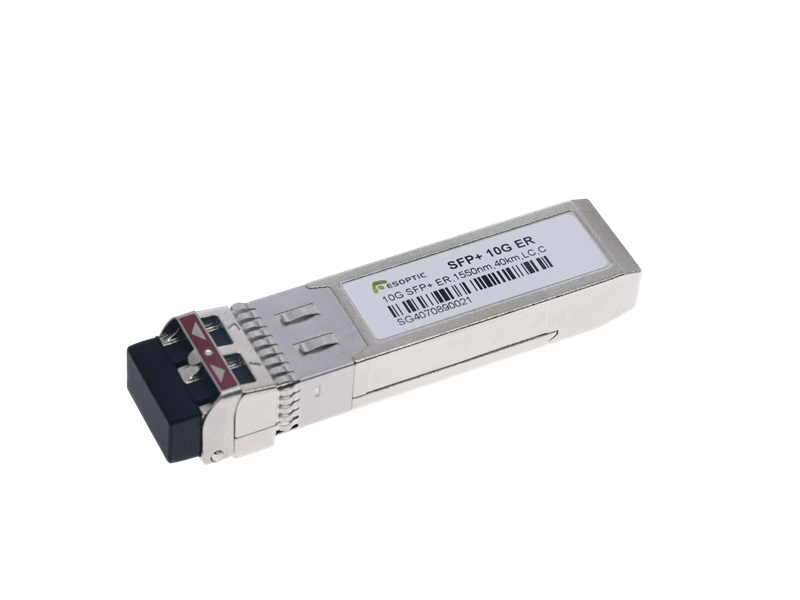
As AI clusters scale rapidly, the internal connectivity of an AI rack has become just as critical as GPU performance itself. Inside modern AI racks, DAC and AOC are no longer simple cable choices—they directly impact signal integrity, power efficiency, airflow design, and overall system stability.
From an engineering perspective, selecting between DAC, AEC, and AOC is about matching reach, bandwidth, and thermal constraints to the actual topology inside the rack—not chasing the most “advanced” option.
Understanding the Role of DAC and AOC in AI Racks
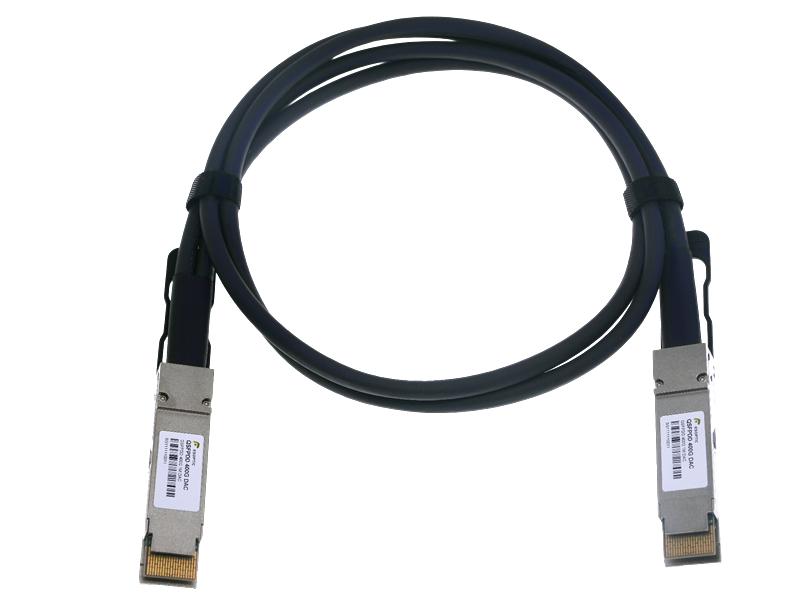
DAC (Direct Attach Cable) remains the most widely deployed solution for short-reach connections inside AI racks. For links typically under 2 meters, DAC offers unbeatable advantages: ultra-low latency, minimal power consumption, and high reliability. This makes DAC ideal for GPU-to-switch or GPU-to-GPU connections where density is high and distances are predictable.
However, as AI racks become taller and more complex, signal attenuation over copper becomes a real limitation. This is where AEC (Active Electrical Cable) extends the life of DAC by integrating signal conditioning, enabling stable transmission up to 5 meters without moving to optics.
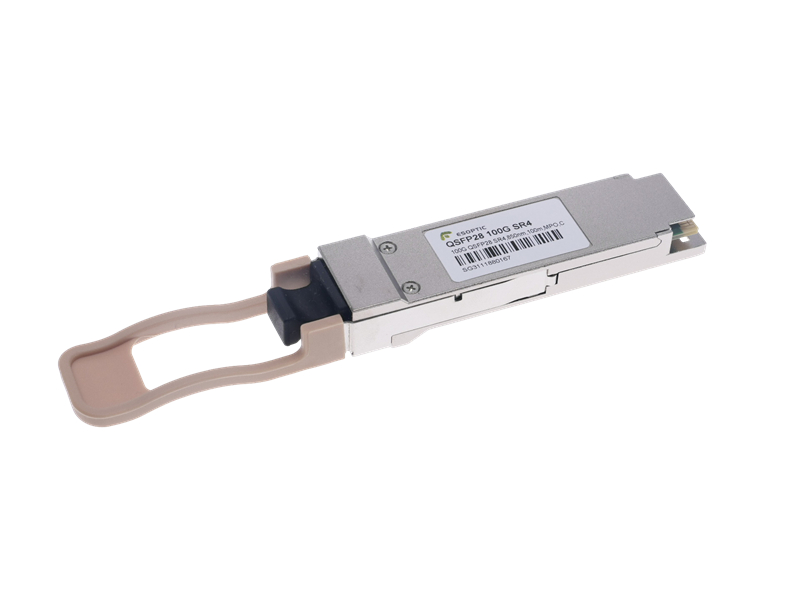
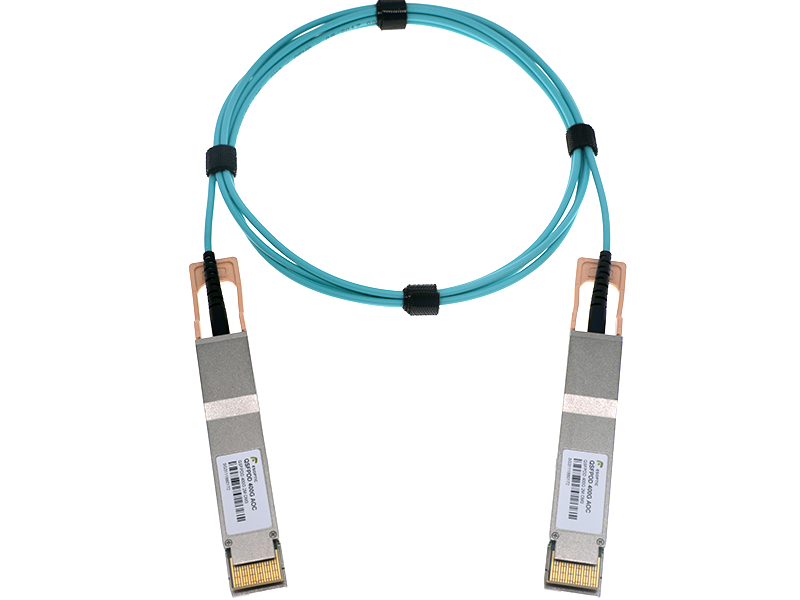
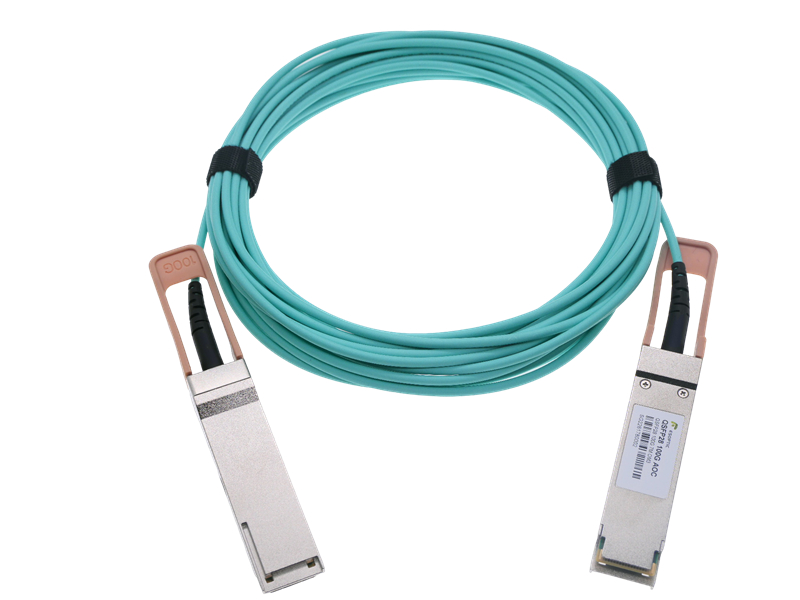
When distances exceed copper’s comfort zone, AOC (Active Optical Cable) becomes the natural choice. AOC converts electrical signals to optical at each end, delivering superior signal integrity and EMI immunity. In large AI racks or disaggregated designs, AOC provides the flexibility that DAC simply cannot.
DAC vs AEC vs AOC: A Practical Selection Guide
In real deployments, the decision is rarely binary. Instead, DAC and AOC often coexist within the same AI rack.
Choose DAC for ultra-short, high-density links where power efficiency matters most
Choose AEC when you need copper simplicity with extended reach
Choose AOC when distance, routing flexibility, or signal margin becomes critical
At ESOPTIC, we see customers optimizing cost and performance by mixing DAC and AOC strategically, rather than standardizing on a single interconnect type.
Why DAC and AOC Still Dominate AI Rack Design
Despite emerging alternatives, DAC and AOC remain the backbone of AI rack interconnects. DAC excels in efficiency and simplicity, while AOC solves the physical and electrical limits of copper. Together, they form a balanced, scalable approach for today’s AI infrastructure.
ESOPTIC’s portfolio of high-speed DAC and AOC solutions is designed specifically for AI workloads, supporting stable operation, tight tolerances, and compatibility with mainstream switch and GPU platforms.
FAQ
1. Is DAC always better than AOC inside an AI rack?
No. DAC is ideal for short distances, but AOC is more suitable for longer or complex routing scenarios.
2. When should I consider AEC instead of DAC?
AEC is useful when DAC reach is insufficient but optical cost is not justified.
3. Does AOC consume more power than DAC?
Yes, AOC consumes more power, but the difference is acceptable for longer links.
4. Can DAC and AOC be mixed in the same AI rack?
Absolutely. This is a common and recommended practice.
5. How does ESOPTIC support AI rack interconnect selection?
ESOPTIC provides DAC, AEC, and AOC options with engineering support tailored to AI rack architectures.
